Smaller tickets, real proximity: how we think about co-investments
A lead investor who fills 80 percent of the round and calls twice a year afterwards is not a win. Why we enter smaller, stay closer, and what that costs us in leverage.
Venture capital carries a story that rarely gets questioned: the good investor is the big investor. Whoever leads the round sets the valuation, takes the board seat and the information rights. Everyone else fills up the rest.
We do not work that way, and not out of modesty. Weidner Ventures is an investment GmbH running on capital we earned ourselves, not a fund with backers expecting a minimum ticket size. That gives us a freedom funds do not have: we are allowed to go in small when small is the right size.
What a co-investment means for us in practice
We rarely arrive alone. Usually a group of befriended business angels sits at the table with us, people we know from many operating years and can bring into a venture. How that review actually runs is described openly in our piece on how our investment committee decides.
For a team, that means something concrete: you do not get one point of contact, you get access to several people who have solved the same problem before in different fields. Why we consider that access to be the actual value, we set out in Network as capital.
A small ticket with one phone call that solves something beats a large one with a quarterly report.
The downside we will not talk away
Smaller tickets mean less contractual power. In most cases we hold no veto, no board seat, no blocking minority. When a shareholder meeting decides against our assessment, it decides against our assessment.
That is a deliberate choice with a cost. Our influence does not come from a clause but from people calling us because the last conversation was useful. It is the less comfortable path, because it has to be earned again every quarter. For founders it is usually the more pleasant one: an investor who has to persuade argues better than one who can simply overrule.
Why smaller angel tickets are structurally favoured in Germany
One point surprisingly many teams do not know, although it makes their round easier to fill: the German federal government subsidises private investments into young companies. Under the programme INVEST, the venture capital grant, an investor receives, according to the administering authority BAFA, 15 percent of the issue price of their shares as an acquisition grant. The investment must be at least 10,000 euros and be held for at least three years, each investor can receive a maximum of 100,000 euros in acquisition grants in total, and per company investments worth up to 3 million euros per calendar year can be subsidised (programme page as retrieved on 7 August 2026).
Two honest notes, because the programme is often sold wrongly. First: the grant goes to the investor, not to the startup. It makes someone else's capital cheaper; it does not replace financing. Second: the three-year minimum holding period is a commitment. Anyone using this structure has chosen a window in which selling the shares puts the grant at risk. Which is exactly why it suits investors who intend to stay anyway, and suits poorly those looking for a quick resale.
How we recognise a good ticket
With roughly equal substance, one question decides it for us: can we contribute more than money. Where we can bring brand building, performance marketing, sales build-up or access, we are a better partner than a pure capital provider. Where we cannot, we say so and either contribute money only, or nothing.
There is also an unromantic preference: we like teams that can name their bottleneck. "We need capital for growth" is not a bottleneck, it is a category. "Our acquisition costs have been rising for four months and we cannot tell whether it is the channel or the offer" is a bottleneck, and it happens to be one we can help with.
Smaller does not mean cheaper
One misunderstanding to close on: smaller tickets do not mean we want to buy in below value, nor that we push valuations down. When we contribute knowledge and work instead of money, it is valued at market rates and takes the same terms as the round's other investors. How that works contractually is laid out in Knowledge for Equity.
We are not trying to be the largest position on the cap table. We want to be the one people call when something jams. Tell us what is stuck.
Note: this article is an entrepreneurial assessment, not legal, tax or investment advice. Funding conditions change; what binds is always the BAFA programme page at the time of your application.
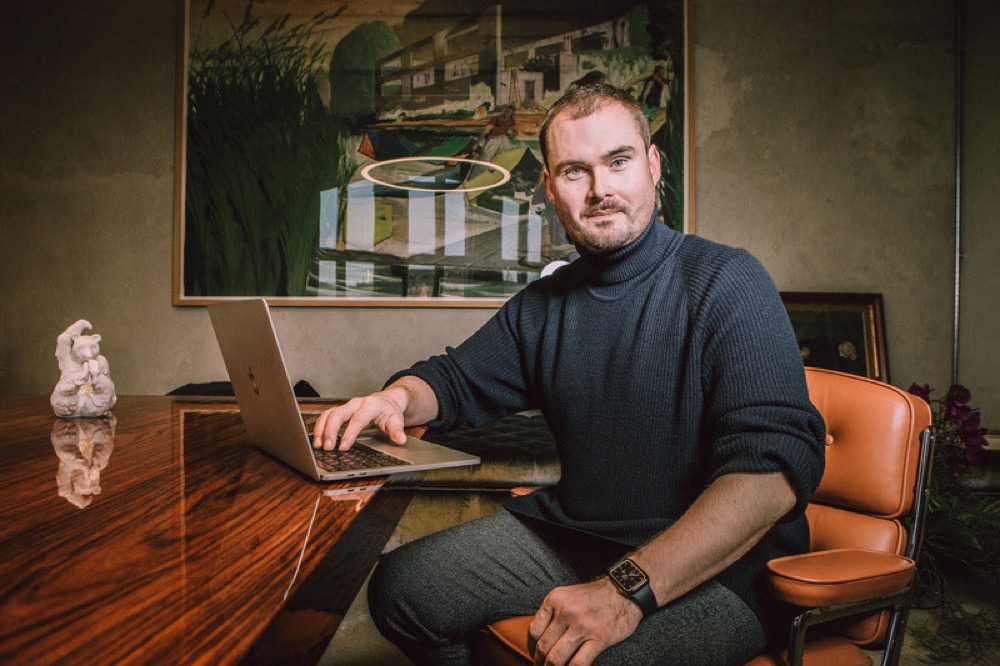
Founder, Weidner Ventures
Dennis Weidner invests his own capital and his own work in digital ventures.